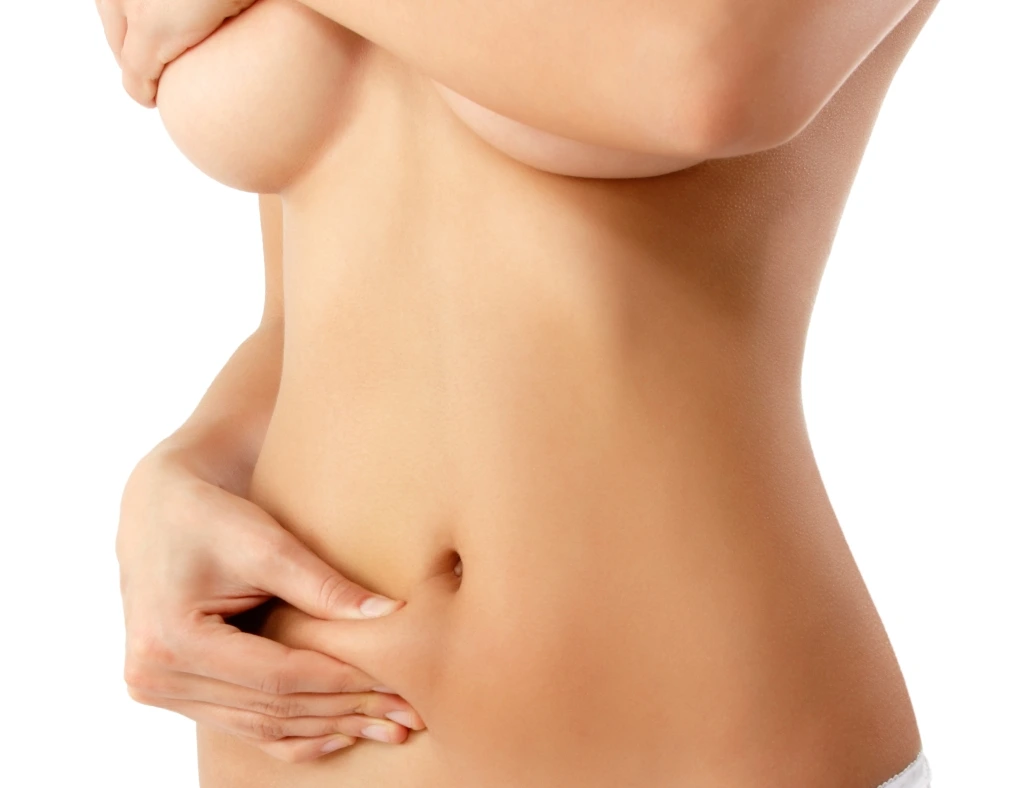
No two bodies are exactly alike — but most of us share a recognisable underlying pattern in how our frame is built and where we naturally carry weight. Understanding these female and male body types is the first step toward setting realistic goals and appreciating your own proportions.
Body-type classifications are simply a vocabulary for describing shape and proportion. They are not a verdict on health or attractiveness, and almost everyone is a blend of more than one. In this guide, the Argaman Plastic Surgeries Mexico team explains the most widely used body types for women and men, what defines each one, and how knowing your shape can inform a thoughtful, personalised approach to body contouring in Mexico City.
What is a body type?
A body type describes the overall shape of your figure: the width of your shoulders relative to your waist and hips, your bone structure, and the pattern in which your body tends to store fat and build muscle. Much of this is set by genetics — your skeletal frame and your fat-distribution tendency are inherited — which is why two people of identical weight can look quite different.
Classifying body types serves a practical purpose. For clothing, fitness and aesthetic planning, it helps identify which proportions are naturally balanced and which areas might respond best to targeted effort. Crucially, no type is better than another; the goal is always harmony and proportion that feel right for the individual.
Female body types and their characteristics
Female body shapes are most often grouped into five patterns, defined by the relationship between the bust, waist and hips :
- Hourglass — bust and hips are roughly equal in width with a clearly defined, narrower waist. Considered the most naturally balanced silhouette.
- Pear (triangle) — hips and thighs are wider than the shoulders and bust, with weight concentrated in the lower body.
- Apple (round) — weight is carried mostly around the midsection, with slimmer hips and legs and a less defined waist.
- Rectangle (straight) — shoulders, waist and hips are similar in width, giving a streamlined, athletic look with little waist definition.
- Inverted triangle — shoulders and bust are broader than the hips, creating a top-heavy proportion.
These categories describe proportion only. Most women combine traits from two patterns, and shape naturally shifts with age, pregnancy and lifestyle.
Male body types and their characteristics
Men's bodies are commonly described using the three somatotypes, a framework that also applies to women but is especially popular in male fitness contexts :
- Ectomorph — lean and slender with a narrow frame, long limbs and fast metabolism; builds muscle slowly and stays naturally trim.
- Mesomorph — naturally athletic, with broad shoulders, a narrow waist and the ability to gain muscle easily; the classic "V-taper" frame.
- Endomorph — a rounder, softer build that gains both muscle and fat readily, often storing fat around the abdomen.
In aesthetic terms, many men aim for the V-taper: broad, defined shoulders narrowing to a flat midsection. As with female shapes, very few men fit one somatotype perfectly — most are a hybrid, and training and nutrition can shift the balance considerably.
Can you change your body type?
Your fundamental frame — bone structure and the genetic pattern of where you store fat — cannot be changed. What you can change is how that frame presents. Strength training can broaden the shoulders or build the glutes; fat loss can reveal a more defined waistline. In other words, you work with your body type rather than against it.
There are limits, though. Many people reach a healthy weight yet still struggle with stubborn pockets of fat or loose skin that resist diet and exercise — for example, lower-body fullness in a pear shape or a softer midsection in an apple shape. This is where body-contouring procedures can refine proportions that lifestyle alone cannot.
"The aim is never to erase your shape — it is to bring it into balance with itself." — a guiding principle of body contouring
How body type guides body contouring
Knowing a patient's body type helps our surgeons design a result that looks natural for that person, rather than applying a single template to everyone. The plan follows the proportions :
- Pear shapes may benefit from refining the hips, outer thighs and flanks with advanced liposuction to balance the lower body.
- Apple shapes often focus on the abdomen and waist, sometimes combining contouring with an abdominoplasty where loose skin is present.
- Rectangle shapes can be enhanced by creating waist definition and, for some women, adding volume to the hips or buttocks.
- Inverted triangle and V-taper goals may involve contouring the flanks and waist to accentuate the natural taper.
Every plan uses modern atraumatic techniques chosen for the patient's tissue and goals, and is carried out by board-certified surgeons in accredited private hospitals.
Personalised body contouring at Argaman Plastic Surgeries Mexico
Since 2012, Argaman Plastic Surgeries Mexico has helped international patients achieve balanced, natural-looking results in Mexico City — always starting from a careful assessment of each person's individual body type and goals.
- Board-certified plastic surgeons with decades of experience in body contouring.
- Procedures performed in accredited private hospitals using FDA-approved materials.
- All-inclusive packages — surgeon, anesthesiologist, hospital, hotel, transfers and post-operative care — at significant savings versus U.S. and Canadian pricing.
- A bilingual coordinator guiding you from your first message through your final follow-up.
Want a plan tailored to your body type?
Whatever your natural shape, the right plan starts with a conversation. Book a free, no-obligation virtual consultation with one of our board-certified plastic surgeons and receive a personalised assessment and a transparent quote — typically within 24 hours.
BOOK A CONSULTATION