17Mar
Contact us now. We advise you without obligation!
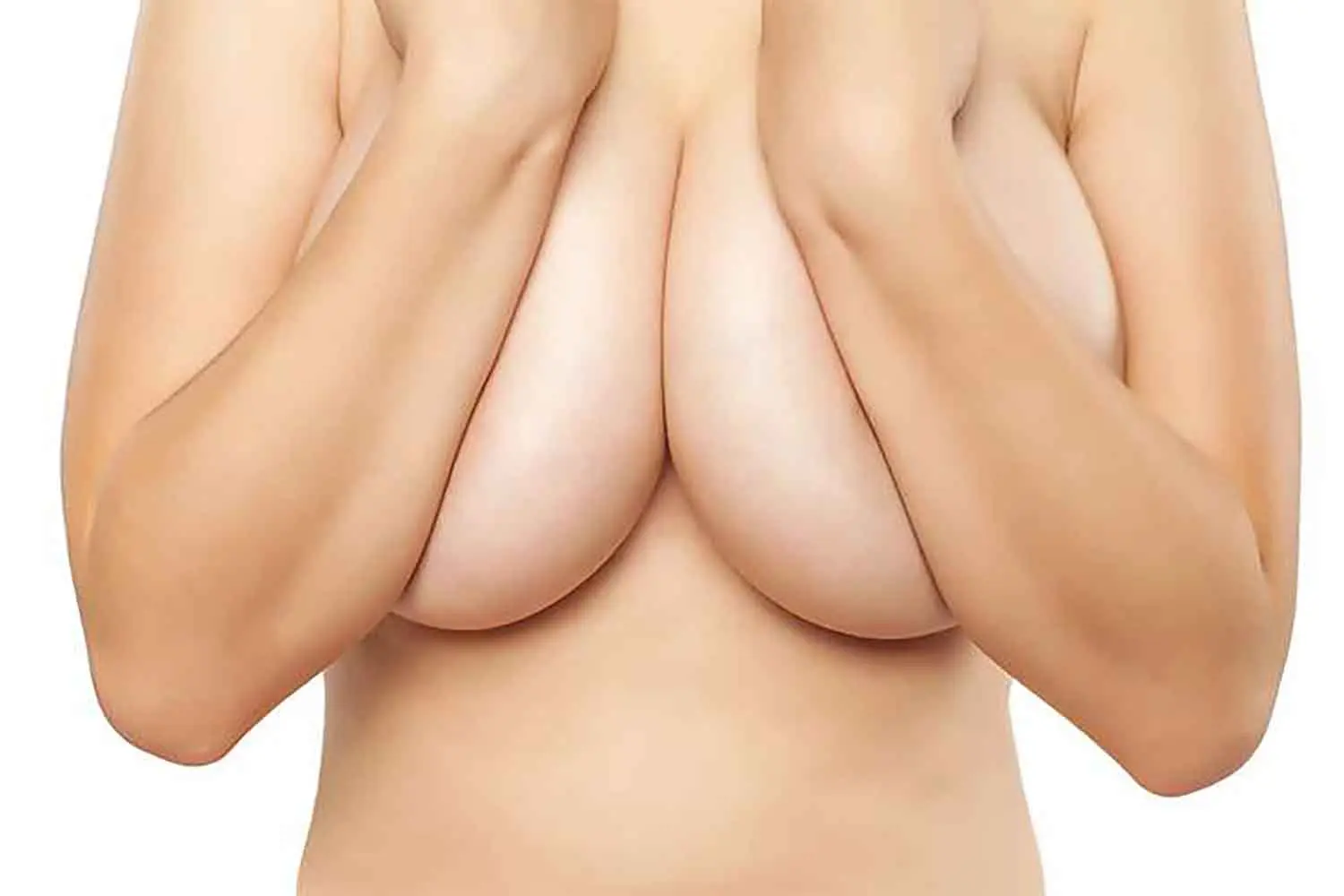
Restore a firmer, lifted and more youthful breast shape with a precise mastopexy — raising sagging breasts, tightening the tissue and repositioning the nipple, with or without implants, while preserving sensation and breastfeeding capacity in most cases.
The package includes:
Surgery-only prices — package available on request.
All prices in US Dollars · personalised quotes are issued after your free consultation.
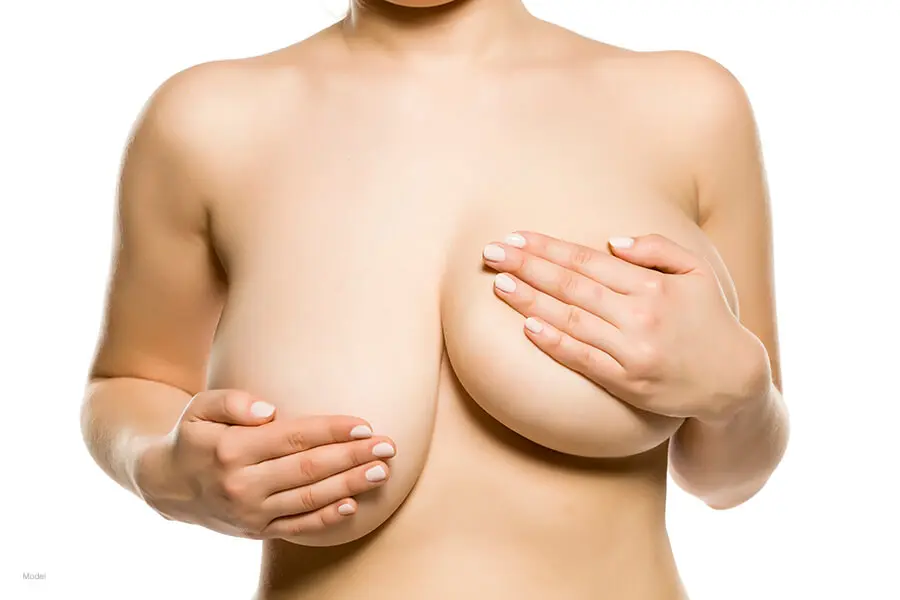
A breast lift — or mastopexy — raises and reshapes sagging breasts, removes excess stretched skin, tightens the underlying tissue and repositions the nipple-areola complex higher on the chest. It does not primarily change breast volume; instead it restores a firmer, more youthful, lifted shape.
The procedure preserves nipple sensation and (in most cases) breastfeeding capacity by keeping the nipple attached to its blood and nerve supply. Surgery lasts 2 to 3 hours under general anesthesia or deep sedation, and can be performed with or without implants.
Adults with sagging (ptotic) breasts — nipples pointing downward or sitting below the breast fold, loss of upper-pole fullness and stretched, lax skin, typically after pregnancy, breastfeeding, weight loss or aging. In good general health, non-smokers, with stable weight. Patients who also want more volume can combine the lift with implants.
Breasts are firmer, higher and more youthful with improved projection and symmetry. The nipple is repositioned and excess skin removed. Volume is largely unchanged unless implants are added. The result is essentially final at 6 months and is long-lasting with stable weight; future pregnancy may affect it.
A breast lift can be performed on its own or combined with an implant, depending on the volume and fullness you want.
Raises and firms the breast using your own tissue. Ideal when you have enough volume but the breasts have dropped. Keeps a natural feel without adding size.
Combines the lift with an implant to restore upper-pole fullness and add volume lost after pregnancy or weight loss. Performed in a single operation.
An internal support layer is created from the patient's own tissue (and, when indicated, a reinforcing mesh) to hold the lift longer and resist re-sagging over time.
The incision pattern is matched to the degree of sagging:
A crescent above the areola or a circle around it. Minimal scarring for mild sagging or to mainly raise the nipple.
Around the areola plus a vertical line down to the fold. Suitable for moderate sagging with good skin redraping and a single short scar.
Around the areola, a vertical line and a horizontal scar in the inframammary fold. Used for significant sagging where the most skin tightening is needed.
For mild sagging. A crescent above the areola or a circle around it (donut lift) raises the nipple with minimal scarring confined to the areolar border. Best when only a small lift is needed.
For moderate sagging. A scar around the areola plus a single vertical line allows good skin tightening and reshaping with no horizontal scar. Excellent in selected patients.
The reference technique for significant sagging and lax skin. The anchor-shaped scar allows the most skin removal and reliable reshaping with a firm, lasting result.
An augmentation-mastopexy combines any of the lift patterns with an implant to add volume and upper-pole fullness in a single operation. Ideal after volume loss from pregnancy or weight loss. The internal-bra support technique can be added to help maintain the lift.
Free online or in-person consultation. We assess the degree of sagging, skin quality, nipple position, breast volume and your goals — including whether you would like to add implants. Standardised photographs.
Pre-operative blood work, medical clearance, mammogram (women 35+), breast ultrasound when indicated. Stop smoking 4 weeks before. Stable weight for 6 months.
Fasting at the accredited hospital. Surgery lasts 2 to 3 hours under general anesthesia or deep sedation. One night in the hospital.
Daily M.D. home visits at the hotel for 7 days. Supportive surgical bra 24/7 for 6 weeks. Sutures absorbable. Return to desk work at 7–14 days. Final lifted result at 6 months.
Mild to moderate discomfort, well controlled with medication. Supportive surgical bra 24/7. Sleep on the back, head elevated. No lifting more than 2 kg and limit upper-body movement to protect the lift.
Most acute swelling resolves and the breasts begin to settle. Return to desk work at 7–14 days. Light walking. No lifting more than 5 kg.
Supportive bra to 6 weeks. Light cardio at 4 weeks, full exercise including chest and upper-body work at 6–8 weeks. Scars start to mature.
Final lifted result at 6 months. Long-lasting with stable weight and good support. Annual mammogram as appropriate for age.
Infection, hematoma, asymmetry, suboptimal scarring and some recurrence of sagging over time. All uncommon and well managed.
Temporary nipple sensitivity changes are common; permanent loss of sensation is rare (<5%) because the nipple stays attached to its blood and nerve supply. Nipple necrosis (loss of viability) is exceptionally rare (<1%) and is mitigated by careful pedicle design.
Because the nipple remains connected to the underlying gland, breastfeeding capacity is preserved in the majority of patients after a lift. Discuss future plans during consultation.
Board-certified surgeons, accredited facilities, careful pedicle design, mammogram screening before surgery, mandatory smoking cessation, daily medical follow-up.
A breast lift restores a firmer, lifted and more youthful contour. Documented benefits include better projection and symmetry, a higher nipple position, a more rounded upper pole (especially when combined with an implant) and the removal of stretched excess skin.
Patients report renewed confidence and a better fit in bras, swimwear and fitted clothing once the breasts sit higher and look firmer. The lift preserves nipple sensation and breastfeeding capacity in most cases.
With firmer, better-supported breasts many patients feel more comfortable during running, yoga and weight training. A supportive bra during sport helps protect the long-term result.
A breast lift is frequently combined with implants for added fullness, or included in a Mommy Makeover alongside abdominoplasty. A small reduction can also be performed at the same time for patients who want slightly smaller breasts.
Argaman Plastic Surgeries Mexico' breast lift all-inclusive package starts at $3,700 USD. Combined with abdominoplasty (Mommy Makeover): $7,800 USD.
Surgery, surgeons fees, anesthesiologist, hospital, 7-night hotel, transfers, bilingual assistant, medications, surgical bra, daily M.D. visits, 6 months remote follow-up.
50–70% savings versus the US/Canada. International patients save $7,000–$12,000 USD on a breast lift at Argaman Plastic Surgeries Mexico.
A breast lift (mastopexy) on its own does not significantly change breast volume — it raises and reshapes the breast tissue, removes excess stretched skin and repositions the nipple higher. If you also want more fullness, the lift can be combined with implants; if you want slightly smaller breasts, a small reduction can be performed at the same time.
A breast lift raises and firms sagging breasts and repositions the nipple without removing significant volume, while a breast reduction removes a substantial amount of breast tissue to make large, heavy breasts smaller. The incisions can be similar, but the goal differs: shape and lift versus volume reduction.
Yes. A breast lift can be combined with implants in the same operation (augmentation-mastopexy). The lift restores position and firmness while the implant adds volume and upper-pole fullness. Many patients who have lost volume after pregnancy or weight loss choose this combination.
Scarring depends on the technique. A periareolar (donut) lift leaves a scar only around the areola, a vertical (lollipop) lift adds a vertical line, and an inverted-T (anchor) lift adds a horizontal scar in the inframammary fold for more significant sagging. Scars mature from red to pale over 12 to 18 months.
In most cases the nipple stays attached to its blood and nerve supply, so sensation and breastfeeding capacity are preserved in the majority of patients. Temporary changes in sensitivity are common in the early post-op period and usually resolve.
Results are long-lasting, especially with a stable weight and good support. Internal-bra reinforcement and avoiding further weight fluctuations help maintain the lift. Gravity, aging, future pregnancy or breastfeeding can gradually reduce firmness over time.
Most patients describe mild to moderate discomfort for 3 to 5 days, well controlled with prescribed medication. A supportive surgical bra and limiting upper-body movement keep the area comfortable during early healing.
Light walking from day 1. Light cardio at 4 weeks. Full exercise, including upper-body and chest work, at 6 to 8 weeks. A supportive surgical bra is worn 24/7 for 6 weeks.
World-class plastic surgery, coordinated from the heart of Mexico City — since 2012.
Calle Querétaro 58, Roma Nte
Mexico City, 06700